
by Lufthansa Flyer | Aug 2, 2016 | Airports, Featured, Passenger Experience |
After well over a million miles of flying, a recent ‘Airports International’ article brought something to my attention that I had never realized before. For those of you who travel in the USA and Canada, stop and think, have you seen many Glass Jetways at the airport? Thats because only a handful of airports have them, and the last ones were installed over 20 years ago and those needed special variances in order to be built because otherwise, they were forbidden. They’re prevalent everywhere else in the world, but for weird and outdated reasons, they were never allowed to be built here.
Now, thanks to a new directive from the National Fire Protection Association, building safety codes for airports have been updated to allow for the installation of Glass Jetways at any airport that chooses to have them. The previous building code forbid glass Jetways due to the fear that ‘passengers would not egress from a glass Jetway in the event of a fire’. Not sure if that makes sense, but the code was the code. Another reason that comes into mind is that there has not been any new, major or semi-major airport opened in the USA for the last few decades, which may have added to why we didn’t see Glass Jetways sooner.
The article goes on to compare the pros and cons of Glass vs. Steel or otherwise window-less Jetways and the comparison far and away favored the glass Jetways primarily due to the aesthetics and cost. We passengers apparently enjoy having a nice view as we board or deplane, and airports actually want you to see the area immediately surrounding the airport, especially if mountains, lakes, or oceans are near the airport. Cost wise, the glass Jetways are approximately 2-5% more expensive than their steel equivalent, making it a moot comparison when looking at cost.
So the next time you’re at a North American airport, stop and look around. You may be looking at the beginning of the end of the old, dark tubes they use to funnel us onto our flights.
H/T: Airports International / July 2015

by Lufthansa Flyer | Aug 1, 2016 | Featured, Istanbul, Route Announcements, Swiss, Zurich |
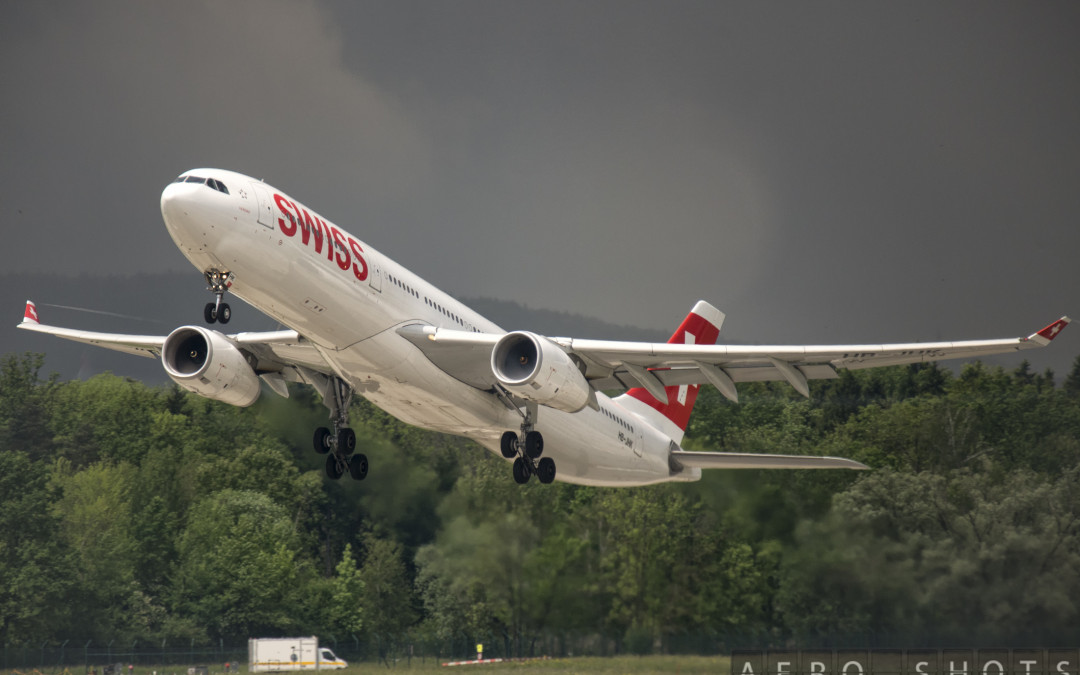
SWISS has announced that it will end service between Zurich and Istanbul beginning with the Winter 2016/17 timetable which is effective between October 30 and March 25.
The affected flights are:
LX1800 that was scheduled between Zurich and Istanbul on Tuesdays, Fridays, Saturdays, Sundays.
LX1804 that was scheduled between Zurich and Istanbul on Monday, Thursdays, Sundays.
LX1801 that was scheduled between Istanbul and Zurich on Tuesdays, Fridays, Saturdays, Sundays.
LX1805 that was scheduled between Istanbul and Zurich on Mondays, Thursdays, Sundays.

by Lufthansa Flyer | Jul 28, 2016 | 747, Boeing, Corporate, Featured |
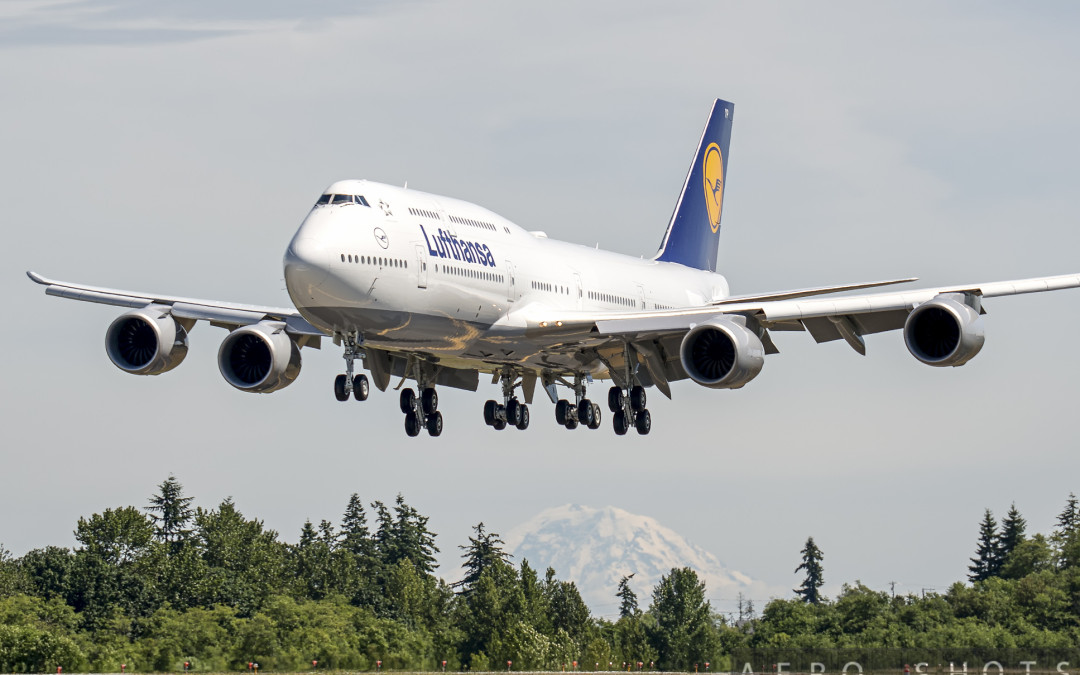
Boeing released their SEC 10-Q filing today and hidden among all the charts and commentary was a suggestion that our beloved 747 aircraft may be coming to the of her reign as Queen of the Skies.
In the excerpt below, Boeing talks about the lack of orders and a slow down in freight demand being the primary reasons that they are considering closing the 747 production line. Also reiterated was a previous announcement that 747 production would slow from 1 a month to .5 month in September, basically meaning that only 6 747s will leave Everett each year until production ceases. They also canceled plans to return to 1 747 produced per month starting in 2019.
From Boeing’s 10-Q Release on July 27, 2016:
747 Program Lower-than-expected demand for large commercial passenger and freighter aircraft and slower-than-expected growth of global freight traffic have continued to drive market uncertainties, pricing pressures and fewer orders than anticipated. As a result, during the second quarter of 2016, we canceled previous plans to return to a production rate of 1.0 aircraft per month beginning in 2019, resulting in a reduction in the program accounting quantity from 1,574 to 1,555 aircraft. This reduction in the program accounting quantity, together with lower anticipated revenues from future sales and higher costs associated with producing fewer airplanes, resulted in a reach-forward loss of $1,188 million in the quarter. The adjusted program accounting quantity includes 32 undelivered aircraft, currently scheduled to be produced through 2019. We previously recognized reach-forward losses of $885 million and $70 million during the second half of 2015 and the first quarter of 2016, respectively, related to our prior decision to reduce the production rate to 0.5 per month and anticipating lower estimated revenue from future sales due to ongoing pricing and market pressures. We are currently producing at a rate of 1.0 per month, and expect to reduce the rate to 0.5 per month in September 2016. We continue to have a number of completed aircraft in inventory as well as unsold production positions and we remain focused on obtaining additional orders and implementing cost-reduction efforts. If we are unable to obtain sufficient orders and/or market, production and other risks cannot be mitigated, we could record additional losses that may be material, and it is reasonably possible that we could decide to end production of the 747.
Keep in mind that these kind of disclosures are normal for companies as part of their Safe Harbor disclosures and basic ‘CYA’ strategies so that investors don’t retaliate will lawsuits suggesting they were mislead. But this is the first time that Boeing has had such ‘strong’ language in a 10-Q when it has come to the 747. Trust me, I read 10-Qs as part of what I do in real life, and the Boeing versions are among the ones that are at the top of my list when they are released.
With this kind of writing on the wall, I am of the opinion that the 747 has already been canceled in the minds of Boeing Executives. You don’t put this kind of language out to shareholders if you’re not serious. Today’s announcement is basically the warning shot so that we are not surprised when a future announcement makes it official.
This issue could potentially affect the Air Force order for the 2 or 3 747s that are slated to replace the current aircraft serving as the US President’s transport.
If I could write a fitting end to the 50 year legacy of the 747, I would close the program in dramatic fashion by having the last 747s to leave the production line to be the ones that would serve at the President’s pleasure.